
Essential Amino Acids vs Protein Powder After 50: Which Do You Actually Need?
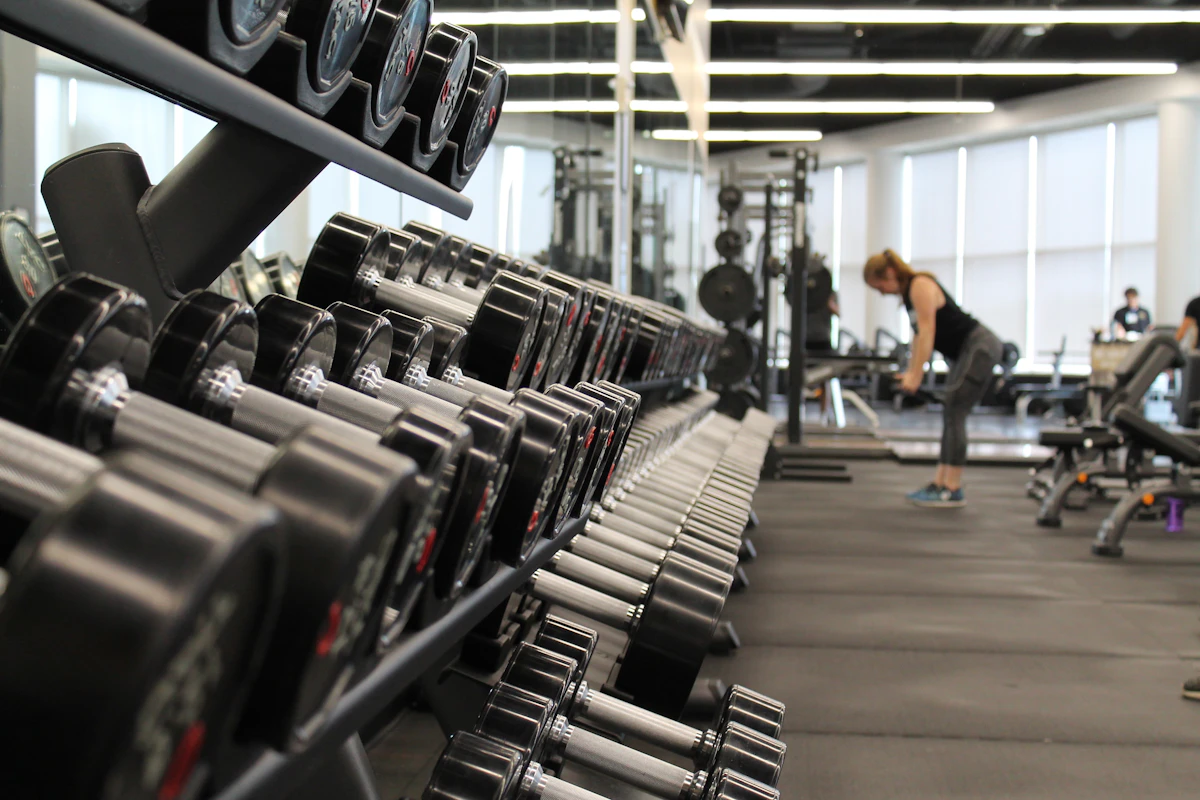
Protein powder or essential amino acids? If you're over 50 and trying to build or preserve muscle, here's how they differ—and where each fits into a smart nutrition strategy.
The Short Answer
If you're over 50 and wondering whether you should take essential amino acids or protein powder, here's the most important thing to understand:
For most people, they aren't direct substitutes.
Protein powder is primarily a convenient way to help you consume enough high-quality protein.
An essential amino acid—or EAA—supplement provides the specific amino acids your body cannot manufacture and must obtain through your diet.
Both can support a muscle-building nutrition strategy.
But neither replaces the most important things:
Strength training.
Adequate total protein.
Good overall nutrition.
Consistency.
If you're struggling to consume enough protein, I'd generally address that problem first.
If you're already eating a protein-rich diet and want an additional convenient source of essential amino acids—particularly around training, first thing in the morning, while traveling, or when you don't want another meal or shake—EAAs become more interesting.
That's where a product like BodyHealth PerfectAmino, which I've personally used daily for more than four years, fits into my own strategy.
But let's understand why before deciding whether you need it.
Why Protein Becomes So Important After 50
Most people associate protein with bodybuilders.
I think that's a mistake.
After 50, protein becomes increasingly relevant to something much bigger:
Maintaining your physical capability as you age.
We naturally tend to lose muscle as we get older, particularly if we're sedentary and don't challenge our muscles through resistance training.
That's a problem because muscle isn't just cosmetic.
Muscle helps us:
- Generate strength
- Maintain physical function
- Perform everyday activities
- Support mobility
- Recover from physical challenges
- Remain active and independent
That's why I like to think about muscle as a:
Retirement account for your body.
You build physical assets today that you hope to have available later.
That changes the conversation.
Instead of asking:
“How much muscle do I need to look good?”
I think a better question after 50 is:
“How much strength and muscle do I want available when I'm 70, 80 or 90?”
Nutrition is one part of that equation.
And protein is one of its most important components.
First: What Happens When You Eat Protein?
When you eat protein, your digestive system breaks it down into smaller components, including amino acids.
Those amino acids can then be used throughout your body.
Think of protein as a structure built from individual building blocks.
Those building blocks are amino acids.
Your body uses amino acids for far more than muscle, but from a muscle perspective they provide the raw materials necessary to create new proteins.
Some amino acids can be manufactured by your body.
Others cannot.
Those are called:
Essential Amino Acids.
What Are Essential Amino Acids?
There are nine essential amino acids, commonly abbreviated EAAs:
- Histidine
- Isoleucine
- Leucine
- Lysine
- Methionine
- Phenylalanine
- Threonine
- Tryptophan
- Valine
You have to obtain these through your diet.
Complete protein sources provide all nine.
Examples include foods such as:
- Eggs
- Meat
- Fish
- Poultry
- Dairy
- Soy
Some plant-food combinations can also provide a complete amino acid profile across the diet.
A quality protein powder can provide all nine EAAs as well.
And an EAA supplement provides those essential amino acids directly.
That's where some confusion begins.
If both protein powder and an EAA supplement provide essential amino acids...
Why wouldn't you just use protein powder?
That's an excellent question.
Protein Powder vs EAAs: The Big Difference
A protein powder is a complete protein source.
An EAA supplement provides isolated essential amino acids.
Those aren't quite the same thing.
Here's a simple way to look at it:
The key distinction is:
Protein powder helps you meet your protein requirement.
EAAs give you the essential amino acids directly.
That's why I don't view this as an either/or decision.
I use and recommend: check current PerfectAmino options & pricing →
So Which Should You Prioritize After 50?
If someone came to me and said:
“I'm 55, I barely eat protein, I don't lift weights, and I'm wondering whether I should buy an amino acid supplement.”
PerfectAmino wouldn't be my first recommendation.
I'd start here:
1. Begin resistance training.
2. Determine whether you're consuming enough high-quality protein.
3. Improve the overall quality of your diet.
4. Then consider targeted supplements.
That's a recurring principle at Pursuing Optimal Health:
Earn the Right to Optimize.
Supplements belong on top of a good foundation.
They don't create the foundation.
How Much Protein Do You Need After 50?
This is an area where overly simplistic advice can create confusion.
The standard U.S. Recommended Dietary Allowance for protein is 0.8 grams per kilogram of body weight per day for adults.
But it's important to understand what that number represents.
The RDA is designed to meet the nutrient requirements of nearly all healthy people. It isn't necessarily the amount that optimizes muscle retention or performance in an active older adult.
Researchers and expert groups studying healthy aging have often suggested that older adults may benefit from protein intakes above the RDA, particularly when trying to preserve muscle.
A commonly discussed range is approximately:
1.0–1.2 grams of protein per kilogram of body weight per day
for many healthy older adults, with potentially higher intakes in certain active individuals or specific circumstances.
For someone resistance training and deliberately trying to build or preserve muscle, individualized needs can differ further.
Rather than obsessing over a single universal number, I prefer to ask:
Are you consistently consuming adequate high-quality protein?
Are you distributing it reasonably throughout your day?
Are you resistance training?
Are you maintaining or improving strength?
Are you preserving lean mass while losing weight?
Those outcomes matter more than chasing a theoretically perfect number.
People with kidney disease or other medical conditions that affect protein requirements should discuss appropriate intake with their healthcare professional.
Protein Per Meal May Matter Too
Daily protein matters.
But there's another useful consideration after 50:
How much protein are you getting at each meal?
A common pattern looks something like this:
Breakfast: Coffee and toast.
Lunch: Salad with a little chicken.
Dinner: Huge serving of protein.
That may technically produce a respectable daily number, but it isn't necessarily how I'd structure a muscle-focused nutrition plan.
Instead, I generally prefer meaningful servings of high-quality protein throughout the day.
For example:
Breakfast → meaningful protein
Lunch → meaningful protein
Dinner → meaningful protein
You don't have to make this complicated.
The goal is simply to stop treating protein as something you only eat at dinner.
Where Protein Powder Fits
Protein powder solves a very simple problem:
Convenience.
Suppose your nutrition target calls for a substantial amount of protein, but by mid-afternoon you're well behind.
You could cook another chicken breast.
You could eat another steak.
You could open a can of tuna.
Or you could make a protein shake.
That's why protein powder can be so useful.
It isn't necessarily superior to whole food.
It's simply easier.
For busy adults, that's valuable.
Which Protein Powder Is Best After 50?
There's no universal winner.
Some common options include:
Whey Protein
One of the most popular choices because it's a complete protein, rich in essential amino acids and particularly rich in leucine.
It's also convenient and widely available.
Whey Isolate
Similar advantages to whey concentrate but typically with less lactose and somewhat higher protein concentration.
This can work better for some people who have trouble tolerating regular whey.
Casein
A slower-digesting dairy protein that some people like later in the day or before bed.
Plant Protein
Useful for vegans or people who don't tolerate dairy.
Look for a product that provides a strong overall amino acid profile and sufficient protein per serving.
The important question isn't:
“Which protein powder has the coolest label?”
It's:
“Which high-quality protein can I consistently consume and tolerate?”
Where Essential Amino Acids Fit
Now let's look at the other side.
Why would I use EAAs if I'm already consuming protein?
Because sometimes I want amino acids without another full meal or protein shake.
That's exactly how I use them.
I've taken BodyHealth PerfectAmino daily for approximately four to five years.
I usually mix Lemon Lime PerfectAmino into water and drink it first thing in the morning.
It's easy.
It's light.
I enjoy it.
And it gives me a complete essential amino acid formula without requiring another meal or shake.
For me, that's the primary appeal.
When EAAs May Be Particularly Useful
There are several situations where I think EAAs become interesting.
1. First Thing in the Morning
This is how I personally use PerfectAmino.
It's become part of my morning routine.
I don't have to prepare food or make a shake.
Mix, drink, done.

2. Around Strength Training
Because essential amino acids are directly involved in muscle protein synthesis, taking EAAs around exercise can be a convenient way to provide those amino acids.
That doesn't eliminate the importance of eating adequate protein throughout the day.
3. When You Don't Want Another Protein Shake
This is a practical issue.
If you've already eaten substantial meals and had a protein shake, another thick shake may not sound appealing.
EAAs provide another option.
4. During Travel
Travel can make nutrition difficult.
Airports.
Hotels.
Road trips.
Long sightseeing days.
EAAs are relatively easy to take with you and mix with water.
5. When Calories Are Restricted
If you're trying to lose body fat, calories matter.
And one of the biggest mistakes people over 50 can make during weight loss is focusing exclusively on:
Losing weight.
I prefer:
Lose excess fat while protecting muscle.
That means strength training and adequate protein remain priorities.
EAAs may be another tool within that larger strategy because they provide essential amino acids without the calories associated with a typical meal or protein shake.
But again:
They aren't permission to under-eat protein.
EAAs vs BCAAs: What's the Difference?
This is another important distinction.
BCAA supplements generally provide three amino acids:
Leucine
Isoleucine
Valine
Those are three of the nine essential amino acids.
Leucine is particularly important because it plays a major signaling role in muscle protein synthesis.
But here's the problem:
Building new proteins requires more than three amino acids.
Think of leucine as helping turn on the construction signal.
That's useful.
But you still need the building materials.
That's why, if I'm specifically choosing between a BCAA-only supplement and a complete EAA formula, I generally prefer:
I use and recommend: check current PerfectAmino options & pricing →
The complete EAA formula.
That's what PerfectAmino provides.
Can EAAs Replace Protein?
This is where supplement marketing can become misleading.
My answer is:
I wouldn't use them that way.
Whole-food protein provides more than isolated amino acids.
Foods such as eggs, fish, meat and dairy also provide various vitamins, minerals, fatty acids and other nutrients.
Protein-rich foods can also help with satiety.
Protein powder gives you a substantial amount of complete protein in a convenient form.
EAAs serve a different purpose.
My hierarchy remains:
Whole-food protein
↓
Protein powder when convenience helps
↓
EAAs as an additional targeted tool
That's how I personally approach it.
What About Leucine?
If you've researched muscle growth after 50, you've probably encountered leucine.
Leucine is one of the nine essential amino acids and plays an important signaling role in stimulating muscle protein synthesis.
That has led to discussion around reaching a sufficient leucine threshold within meals.
This is one reason high-quality protein sources can be particularly valuable.
Whey protein, for example, naturally contains substantial leucine.
But leucine can't build muscle by itself.
You still need the other necessary amino acids.
That's another reason I prefer thinking about the complete protein/EAA picture rather than chasing a single amino acid.
Can You Take EAAs and Protein Powder Together?
Yes.
That's exactly the point many people miss.
You don't necessarily have to choose one.
My own strategy includes:
Protein-rich whole foods
Protein supplements when useful
Essential amino acids
They each solve somewhat different problems.
I don't take PerfectAmino because I believe dietary protein is unnecessary.
Quite the opposite.
Protein is a major priority in my diet.
PerfectAmino sits on top of that foundation.
What If You're Trying to Build Muscle?
If building muscle is your goal, don't start with the supplement cabinet.
Start with your training program.
Your body needs a reason to build muscle.
That means progressively challenging your muscles through resistance training.
Then support that training with:
Adequate protein
Enough total nutrition
Recovery
Sleep
Consistency
Then supplements can potentially make the process more convenient or effective.
I'd put creatine high on that list as well.
But the basic formula isn't sexy:
Train → Eat → Recover → Repeat.
Do that consistently.
Then optimize.
What If You're Trying to Lose Fat?
This may be even more important after 50.
Many people go on diets with one objective:
Make the scale go down.
But losing ten pounds isn't necessarily a great result if too much of that weight is muscle.
Instead, I want to improve body composition.
That means:
Reduce excess body fat while preserving as much muscle as reasonably possible.
Resistance training becomes extremely important.
So does adequate protein.
EAAs can potentially complement that strategy, but they shouldn't replace the protein-rich diet supporting it.
What If You're Already Eating Plenty of Protein?
This is where the answer becomes more nuanced.
If you're:
Strength training consistently...
Eating plenty of high-quality protein...
Recovering well...
Maintaining good body composition...
And meeting your goals...
Then you may not need an EAA supplement.
That's okay.
At Pursuing Optimal Health, the objective isn't:
Find a supplement for everyone.
The objective is:
Find the right tool for the right person.
If you don't have a problem that EAAs solve, save your money.
So Why Do I Personally Use PerfectAmino?
Because for me, it passes several tests.
It supports an important goal.
Maintaining muscle and strength.
It's convenient.
Mix it into water and drink it.
I enjoy taking it.
I've grown to love Lemon Lime.
I've stayed consistent with it.
I've used it daily for more than four years.
It fits into my overall strategy.
It's not replacing strength training or protein.
It's supplementing them.
That's exactly what I want from a supplement.
What I Look For in an EAA Supplement
If you're considering EAAs, I'd look for several things.
All Nine Essential Amino Acids
I want a complete EAA formula rather than simply BCAAs.
Transparent Labeling
I want to know what I'm taking.
Reputable Manufacturer
Supplements require trust.
Good Tolerability
The theoretically best supplement isn't useful if it upsets your stomach or you hate taking it.
Convenience
One of the main reasons to use EAAs in the first place.
A Product You'll Actually Use
Consistency matters.
That's one reason I've stuck with PerfectAmino.
My Current EAA Choice: BodyHealth PerfectAmino
I've personally used PerfectAmino for more than four years—long before Pursuing Optimal Health became a BodyHealth affiliate.
That distinction matters to me.
I prefer establishing affiliate relationships with companies whose products I already know and use rather than finding products to promote simply because they pay a commission.
PerfectAmino provides all nine essential amino acids and comes in powders and tablets.
I personally use Lemon Lime powder.
If you'd like the complete story—including what I like, what I don't, BodyHealth's claims, who I think should use it and who probably shouldn't—read my full review:
READ MY PERFECTAMINO REVIEW: MY EXPERIENCE AFTER 4+ YEARS →
Protein Powder or EAAs? My Decision Framework
Still not sure?
Use this.
Choose Protein Powder First If:
You're consistently falling short of your daily protein needs.
You need a convenient replacement for a protein-rich snack or part of a meal.
You want something more filling.
You're just beginning to improve your nutrition.
Your budget only allows one option.
Protein wins.
Consider EAAs If:
You're already eating a reasonably protein-rich diet.
You're focused on preserving or building muscle.
You want something very convenient.
You don't always want another meal or shake.
You want something easy first thing in the morning or around workouts.
You travel frequently.
You specifically want supplemental essential amino acids.
EAAs become interesting.
Consider Both If:
You're serious about maintaining or building muscle...
You strength train regularly...
You've already built good nutrition habits...
And both products solve different practical problems for you.
That's essentially where I am.
The Bigger Question Isn't Protein vs EAAs
Here's what I really want you to take away from this article.
Don't get so focused on choosing between protein powder and amino acids that you overlook the much bigger question:
Are you doing enough to preserve your muscle after 50?
That's the issue that matters.
Are you resistance training?
Are you consuming adequate protein?
Are you challenging yourself progressively?
Are you recovering?
Are you tracking whether you're becoming stronger?
Can you get out of a chair easily?
Carry heavy objects?
Climb stairs?
Walk long distances?
Get down on the floor and back up?
Those outcomes tell me far more about your health strategy than which supplement is sitting on your counter.
The Pursuing Optimal Health Bottom Line
If I had to choose between adequate protein and an EAA supplement:
I'd choose adequate protein.
If I had to choose between strength training and supplements:
I'd choose strength training.
But once those foundations are in place, essential amino acids can become a useful additional tool.
That's where PerfectAmino fits for me.
I've used it daily for more than four years because it's convenient, I enjoy it, and it aligns with my goal of maintaining muscle and strength as I age.
Your decision may be different.
And that's perfectly fine.
The goal isn't to take more supplements.
The goal is to make smarter decisions about which tools actually help you achieve the outcomes you care about.
Fundamentals Before Optimization.
Evidence Before Hype.
Fewer Things Done Well.
And most importantly:
You don't need to optimize everything. You need to know what to optimize next.
Want to Learn More About the EAA Product I Use?
Read my complete review of BodyHealth PerfectAmino, including my experience after more than four years of daily use:
Or, if you've already decided an EAA supplement makes sense for you:
SEE CURRENT PERFECTAMINO OPTIONS & PRICING →
The second link is an affiliate link. If you purchase through it, Pursuing Optimal Health may earn a commission at no additional cost to you.
This article is for educational purposes only and isn't intended to diagnose, treat, cure or prevent disease or replace individualized medical or nutritional advice. People with kidney disease or other conditions affecting protein or amino-acid requirements should consult an appropriate healthcare professional before substantially changing protein intake or using amino-acid supplements.

Empowering adults over 50 with evidence-based guidance to
reclaim vitality and achieve optimal health.
EXPLORE
LEGAL
COMPANY
Pursuing Optimal Health is reader-supported. We may earn a commission when you purchase through certain links, at no additional cost to you. Our recommendations are guided by our editorial standards, not affiliate compensation. Content on this site is for educational purposes only and is not intended as medical advice.
© 2026 Pursuing Optimal Health. All rights reserved.